
820 W Laraway Rd, New Lenox, IL 60451
Tooth Colored Fillings In New Lenox, IL
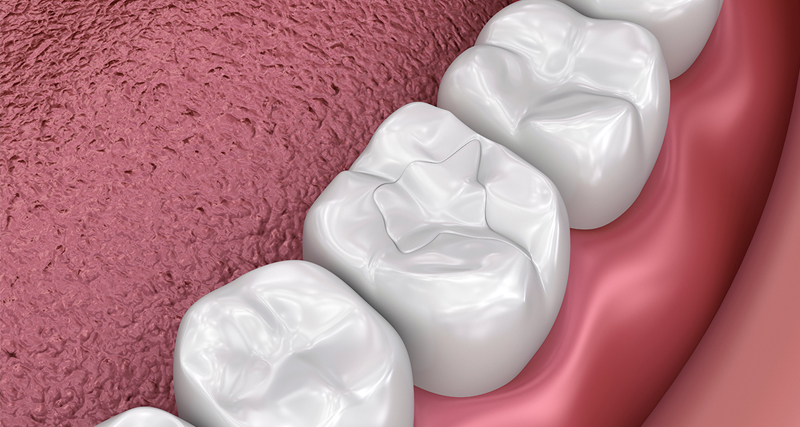
In the 1800s, dentists made a significant finding that silver and other metals could effectively fill cavities and restore decayed teeth. To make the filling material more flexible, small amounts of mercury were added. However, worries emerged about the potential harm of mercury entering the body. While the exact extent of the threat posed by mercury in metal fillings remains unconfirmed by doctors and scientists, many agreed that an alternative material was needed. Currently, Dr. Paul Etchison dentists use composite resin to restore decayed teeth and improve their overall health.
Amalgam (Metal) versus Tooth-Colored Fillings
Despite some dentists still using amalgam fillings, their main disadvantage is their noticeable appearance. Metal fillings are easily noticeable in your smile and can cause a dark gray stain as the metal seeps into the tooth, which can make people reluctant to smile confidently. Additionally, many patients may experience sensitivity or allergies to metal, leading to discomfort or pain when consuming hot or cold foods. In these situations, tooth-colored fillings would be a more advantageous choice.
The Benefits of Tooth-Colored Fillings
Tooth-colored fillings, also referred to as composite or white fillings, are specifically created to preserve the attractiveness of your smile. They are more visually appealing and provide a less invasive treatment choice. The composite resin utilized in these fillings directly adheres to your tooth, effectively blocking bacteria and preventing future decay. Unlike metal fillings, tooth-colored fillings necessitate minimal enamel removal. Consequently, you can maintain a greater portion of your natural tooth structure.
The Process of Receiving Tooth-Colored Fillings
If you're seeking a cavity solution that doesn't involve metal, we provide tooth-colored fillings that bond directly to your tooth without excessive enamel removal. Our dentists will only remove the decayed portion, preserving more of your tooth's original structure and ensuring a longer-lasting filling compared to metal fillings.
The process begins with numbing the treatment area to ensure your comfort. You may experience slight pressure, but there should be no pain. The damaged part of the tooth will be removed, and then the composite resin will be applied layer by layer until the tooth is restored to its optimal size and shape. Using a curing light, the material will be hardened into place, creating a strong bond with your enamel. Finally, we will polish the tooth and check your bite to ensure a proper fit.
With proper oral hygiene and regular checkups and cleanings, you can expect your tooth-colored filling to last approximately ten years before requiring replacement. However, it's important to note that these fillings can stain similarly to natural teeth. To minimize staining, it's best to limit your consumption of foods and beverages that can discolor your teeth, such as coffee and dark sauces. If you do consume these items, be sure to brush your teeth or rinse with water immediately afterward.
If you're interested in a metal-free solution for cavities, contact us today to schedule an appointment and rejuvenate your smile with a tooth-colored filling!
New Patients & Emergency Appointments Welcome!